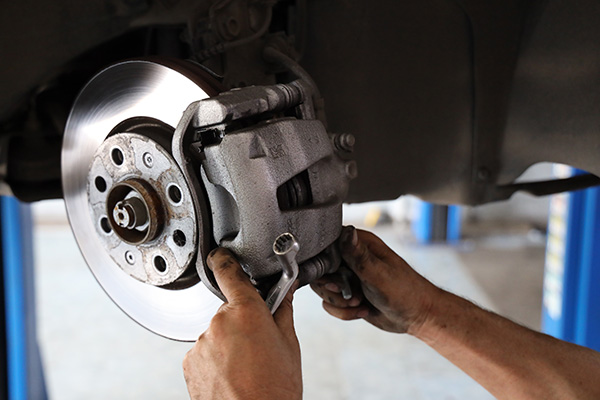
Brake overheating has a very specific feel. The pedal may get longer, the car may need more distance to slow down, or you may smell something hot after a drive through traffic or down a hill. Sometimes the steering wheel starts shaking the next day, and that is when drivers start thinking about warped rotors.
Heat changes brake behavior fast.
Your brakes are built to handle heat, but they still have limits. When the system gets hotter than it can manage, pads, rotors, fluid, and calipers can all start acting differently.
Why Brakes Get Too Hot
Brakes turn movement into heat. Every stop creates friction between the brake pads and rotors. In normal driving, that heat has time to escape. Problems start when heat builds faster than it can leave.
Long downhill braking, heavy traffic, towing, aggressive stopping, stuck calipers, low-quality pads, or worn hardware can all push the system too far. Riding the brake pedal is another big one. Even light pressure over a long distance can keep the pads in contact with the rotors and generate more heat than a single firm, controlled stop.
A brake system that is already worn or dragging will overheat sooner. That is why a small caliper issue or dry slide pin can feel like a much bigger brake problem after a few miles.
How Overheating Makes The Car Harder To Stop
When brakes get too hot, the pad material can lose some of its bite. Drivers call this brake fade. You press the pedal, but the car does not slow down with the same confidence. The pedal might feel normal, or it might feel longer and less responsive.
Brake fluid can also be part of the problem. Old fluid absorbs moisture over time. When the system gets hot, that moisture can boil and create vapor in the lines. Vapor compresses more than fluid, which can make the pedal feel soft or spongy.
That is not a fun discovery in traffic.
Are Warped Rotors Really Warped?
People use the phrase 'warped rotors' all the time, but the rotor isn't always bent like a potato chip. A lot of brake vibration comes from uneven rotor thickness or uneven pad material transfer on the rotor surface. The result feels the same to the driver: pulsing in the pedal, shaking in the steering wheel, or a vibration when slowing down from higher speeds.
Heat is a major factor in what happens. When rotors get hot and cool unevenly, the surface can change. If pads are held against a very hot rotor while the car is stopped, material can imprint onto one area. Later, every time that spot passes through the caliper, you feel it.
So yes, overheating can create the symptoms people blame on warped rotors.
The Smells And Sounds That Give It Away
An overheated brake can smell sharp, hot, or almost chemical. If one wheel smells hotter than the others after normal driving, that corner deserves attention. A dragging caliper or stuck slide can keep that brake working even when you are not braking.
You may also hear squealing, scraping, or a ticking sound as hot parts cool. Sometimes there is more brake dust on one wheel. Sometimes the vehicle pulls slightly when braking because one side is doing more work than the other.
We see this a lot when one caliper is hanging up just enough to cook the pads and rotor, but not enough for the driver to notice right away.
When Driving Habits Add Heat
Some brake overheating comes from worn parts. Some comes from how the vehicle is driven. Long downhill roads are a good example. Holding the brake pedal the whole way down keeps the heat building. Using a lower gear when appropriate helps control speed without asking the brakes to do everything.
Stop-and-go traffic is rough, too. So is towing, carrying extra weight, or driving with oversized wheels and tires that add load. If your brakes smell hot after normal driving, that is different from smelling hot after a steep grade. The pattern tells us where to start.
What A Brake Check Should Include
A real brake inspection should look beyond pad thickness. Pads are important, but they are not the whole system. The rotors, calipers, hoses, hardware, slide pins, brake fluid, and wheel bearings all affect how the brakes handle heat.
Our technicians look for heat marks on rotors, uneven pad wear, stuck slides, torn caliper boots, dark fluid, and signs that one wheel is running hotter than the rest. We also pay attention to what the driver feels: steering wheel shake, pedal pulse, hot smell, pulling, or fading after repeated stops.
That is how the repair stays focused.
How To Prevent Brake Overheating
Regular maintenance helps keep the brake system from running hotter than it should. Brake pads need to move freely, calipers need to release, rotors need a clean surface, and brake fluid needs to stay in good condition. If one part stops doing its job, heat is usually where the evidence shows up.
Do not wait for grinding. If the pedal feel changes, the car shakes while braking, or you smell hot brakes after an ordinary drive, schedule service. It is much easier to deal with a sticking caliper or uneven rotor early than to replace several heat-damaged parts at once.
Get Brake Repair In San Jose, CA, With B&C Auto Center
If your brakes smell hot, feel weak, shake the steering wheel, or need more distance to stop, B&C Auto Center in San Jose, CA, can check the system and find out where the heat is coming from.
Book a visit before overheated brakes leave you with damaged rotors, worn pads, or a pedal that does not feel right when you need it.