Posted on 9/25/2026
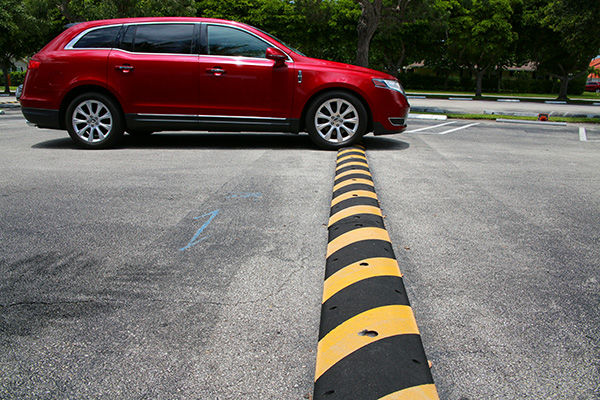
Your car should settle quickly after going over a dip, driveway entrance, or speed bump. If the body keeps moving up and down several times afterward, the suspension is no longer controlling that motion the way it should. Most drivers first notice the problem on familiar roads. A bump that used to feel normal suddenly makes the car float, rock, or continue bouncing. That change usually points toward worn shocks or struts, but several other suspension problems can create a similar feeling. Worn Shocks or Struts Are the Most Common Cause Shocks and struts do not hold the vehicle up by themselves. Their job is to control how quickly the springs move after the suspension compresses or extends. When the internal valves and seals wear, the shock absorber loses its ability to slow that movement. The spring keeps oscillating, so the vehicle bounces more than once after a bump. At our shop, we pay close attention to how quickly each corner settles and whether one end of the ... read more
Posted on 8/28/2026

Leasing a car does not mean maintenance becomes the dealership’s responsibility. In most cases, the person leasing the vehicle is still expected to keep up with routine service, protect the vehicle from avoidable damage, and return it in condition that falls within the lease company’s wear standards. The exact requirements are written into the lease agreement, so they can vary from one contract to another. Still, the general rule is simple: follow the manufacturer’s maintenance schedule, keep records, take care of tires and brakes, and address warning lights or mechanical problems before they turn into larger issues. Follow the Manufacturer’s Maintenance Schedule A leased vehicle still needs oil changes, tire rotations, filter replacement, fluid checks, and other scheduled services at the intervals listed by the manufacturer. Leasing does not change what the engine, transmission, brakes, cooling system, or tires need. Missing scheduled maint ... read more
Posted on 7/31/2026
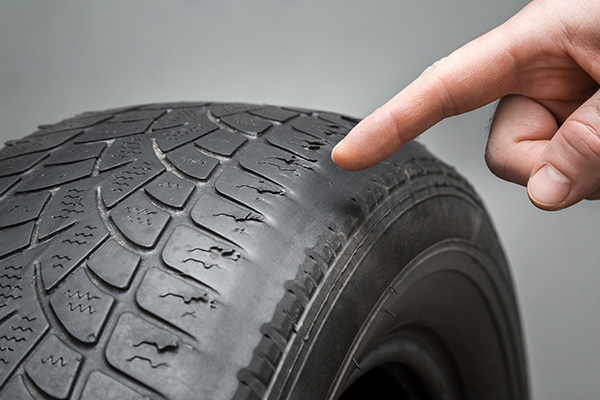
One-sided tire wear can stay hidden until the tread is nearly gone. The outer shoulder is easy to spot while walking past the car, but severe inner-edge wear may remain out of view beneath the vehicle. A tire can look usable from the side and still have a nearly bald strip along the inside. Replacing the tire solves the immediate safety concern, but it does not explain why the wear happened. Alignment angles, loose suspension parts, incorrect pressure, impact damage, and driving patterns can all change how the tread meets the road. Unless the underlying cause is corrected, the replacement tire may develop the same pattern. Incorrect Toe Can Scrub Away One Edge Toe describes whether the fronts of the tires point slightly toward or away from each other. Even a small amount of incorrect toe can make the tread drag sideways as the vehicle moves. Instead of rolling directly ahead, the tire is continuously being scrubbed across the pavement. Toe wear often creates a feat ... read more
Posted on 6/26/2026

Buying a used car can feel exciting until the questions start piling up. Is the mileage honest? Was the maintenance done on time? Are the tires hiding an alignment problem? Is that clean engine bay actually a good sign, or was it washed to hide leaks? A used car can look great in photos and still need expensive repairs soon after purchase. That does not mean every used car is a risk. It means you need to slow down, check the right areas, and get a clear picture before handing over the money. Check The Used Car Service History Service records can tell you how the vehicle was cared for. Oil changes, brake work, tire replacement, transmission service, coolant service, and major repairs all help show whether the previous owner kept up with regular maintenance. A car with records is usually easier to judge than one with a blank history. Missing records do not always mean the car is bad, but they do create more unknowns. If there is no proof of maintenance, you may need ... read more
Posted on 5/29/2026
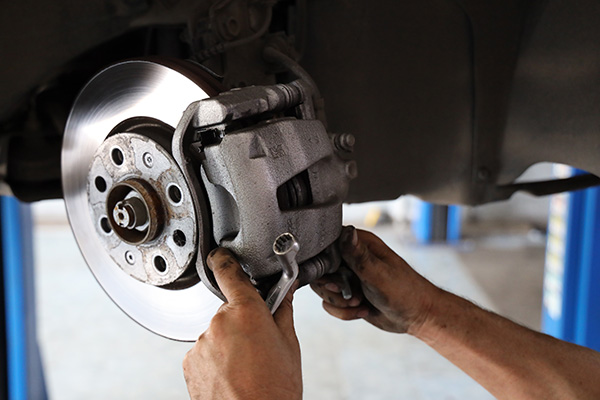
Brake overheating has a very specific feel. The pedal may get longer, the car may need more distance to slow down, or you may smell something hot after a drive through traffic or down a hill. Sometimes the steering wheel starts shaking the next day, and that is when drivers start thinking about warped rotors. Heat changes brake behavior fast. Your brakes are built to handle heat, but they still have limits. When the system gets hotter than it can manage, pads, rotors, fluid, and calipers can all start acting differently. Why Brakes Get Too Hot Brakes turn movement into heat. Every stop creates friction between the brake pads and rotors. In normal driving, that heat has time to escape. Problems start when heat builds faster than it can leave. Long downhill braking, heavy traffic, towing, aggressive stopping, stuck calipers, low-quality pads, or worn hardware can all push the system too far. Riding the brake pedal is another big one. Even light pressure over a long ... read more