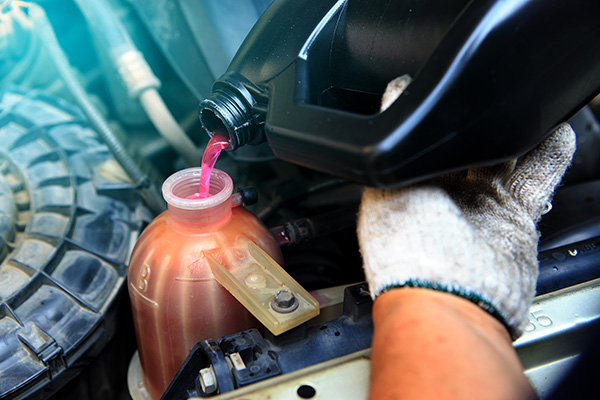
The estimate says coolant flush, and you picture dirty liquid being replaced with clean liquid. That is part of the service, but the name can describe different procedures. Are you getting a drain and refill, a fluid exchange, or cleaning intended to address deposits?
The answer should be clear before the work begins. Appropriate coolant service removes old fluid and can address certain contamination, depending on the method and the system's condition. It also restores the correct coolant mixture. It cannot repair a leak, replace worn parts, or guarantee that every deposit disappears from an aging cooling system.
Old Coolant Is the First Thing a Flush Addresses
Coolant carries heat and helps protect the cooling system against freezing, boiling, and corrosion. Its additive package has a service life, and the fluid can collect contamination during use. Replacing it at the required interval renews the protection the specified product is intended to provide.
A system that is full can still be due for service. Concentration and chemical condition are different considerations, so a suitable freeze-protection reading does not establish that the fluid's age can be ignored. Service history, manufacturer requirements, and current findings all help determine when coolant replacement is appropriate.
A Coolant Service Can Remove Suspended Contamination
Old fluid can contain particles or other contamination circulating through the system. Draining and exchanging that fluid removes some of what it carries. The amount and location of fluid removed depend on the system layout and the procedure used.
That is different from loosening firmly attached deposits on internal surfaces. A straightforward fluid change should not be presented as though it automatically scrubs every passage clean. Ask what the service is intended to remove and whether the shop has found evidence of contamination requiring additional cleaning. A clear description helps you compare estimates that use the same name for different work.
Cooling-System Deposits May Need a Specific Cleaning Procedure
Corrosion products, scale, or deposits can accumulate in a neglected system or one that has received unsuitable fluid. A cleaning procedure may be appropriate when the vehicle's service information and condition support it. Any cleaner and method need to suit the components involved.
The outcome depends on the type and extent of the buildup. Heavy restriction or severe internal damage can require component replacement instead of further flushing. Fresh fluid also cannot restore metal lost to corrosion. If the radiator or heater core is already compromised, the repair plan needs to address that condition rather than promising that a cleaning product will solve everything.
Drain and Refill Is Different From a Coolant Exchange
A drain and refill removes fluid from the accessible drain points and replaces it. Some old fluid may remain elsewhere in the system. An exchange or flushing process can move additional fluid through the system, but the details depend on the equipment and approved procedure.
Neither label establishes quality by itself. What counts is whether the method meets the vehicle's requirements and corrects the condition being addressed. Some vehicles also have separate circuits or particular filling and air-removal procedures. The shop should explain which circuits are included and how the correct final concentration will be established.
Oil or Mixed Coolant Contamination Needs Its Cause Checked
Oil entering coolant or unexpected material in the reservoir can point to a separate fault. The source may involve a cooler, a seal issue, or another component, depending on the engine. Cleaning without repairing the source can allow contamination to return immediately.
Likewise, mixing products that do not meet the required specification can reduce protection or contribute to deposits. Tell us what has been added, including emergency water top-offs. That history helps identify the appropriate service. Color alone cannot confirm compatibility, so the final fill should follow the actual specification rather than matching the appearance of the old liquid.
A Coolant Flush Does Not Automatically Fix Overheating
An overheating complaint can involve leaks, airflow, pumps, thermostats, restrictions, or other conditions. A flush may be relevant to some of those concerns, but it is not a universal repair. The inspection needs to establish what is preventing normal temperature control.
Weak cabin heat also has more than one possible cause. Low coolant, trapped air, or restricted circulation can reduce heat, while a blower or air-distribution fault affects airflow. Describe the exact behavior rather than booking a flush on the assumption that it explains the symptom. An overheating warning requires stopping safely and shutting off the engine.
Ask Five Questions About the Coolant Flush Estimate
These questions help define what you are paying for.
- Does the service involve draining, exchanging, or cleaning the system?
- What condition or scheduled requirement supports the recommendation?
- Which coolant specification and final mixture will be used?
- Which cooling circuits and air-removal procedures are included?
- Does a leak, restriction, or contamination source need a separate repair?
The answers make it easier to compare equivalent work. A basic scheduled coolant replacement and a repair involving substantial contamination can have very different scopes. The estimate should show that difference rather than suggesting every vehicle needs the same cleaning process at the same mileage.
The Cooling System Needs Checks After Coolant Service
Proper filling is only part of the completed appointment. The procedure may require removing trapped air, confirming levels under specified conditions, checking for leaks, and verifying operation. Those requirements vary with the vehicle and service performed.
Keep the date, mileage, and product information with your records. If the level falls again or the heater and temperature behavior remain unusual, report the change. Repeated top-offs after a service need an explanation. Never remove a hot pressurized cap to investigate; use the owner's instructions and arrange an inspection when the system's condition is unclear.
Schedule Coolant Service in San Jose, CA
B&C Auto Center in San Jose, CA, can review your coolant history and explain the appropriate cooling-system service. Tell us about fluid additions, overheating, weak heat, or anything unusual seen in the reservoir.
Contact us to discuss a coolant service or cooling-system inspection for your vehicle.