It is a question we hear every year once the weather starts warming up. A driver notices the tire pressure numbers creeping higher than they were in winter and starts wondering if they should let some air out. On the surface, it seems logical. Hotter temperatures raise tire pressure, so maybe deflating the tires a little makes sense, right? Most of the time, the answer is no. You generally should not deflate your tires just because the outside temperature rises.
Tire pressure changes with temperature, and those changes can show up on the dashboard or at the air pump. But the key is understanding what kind of pressure change is normal, what pressure your tires are actually supposed to be at, and when action is needed. From our perspective in the shop, this is one of those areas where a little misinformation can lead to premature tire wear, worse handling, and lower fuel economy without the driver even realizing it.
The good news is that tire pressure is not hard to manage once you know what to look for.
Why Tire Pressure Changes When It Gets Hot
Tires do not stay at one exact pressure all year long. Air expands as temperatures rise and contracts as temperatures fall. That means colder mornings often come with lower pressure readings, while hotter days can push those numbers up a bit. This is completely normal.
That natural change is one reason tire pressure warning lights tend to appear more often in colder weather. When temperatures drop, the pressure inside the tire drops too. When temperatures rise, the opposite happens.
But here is the part many drivers miss: your vehicle’s recommended tire pressure is meant to be checked when the tires are cold. “Cold” does not mean freezing. It means the tires have not been driven on long enough to heat up from road friction and normal operation.
So if you check your tires after driving in warm weather, the pressure will often be higher than the cold-reading on the door sticker. That does not automatically mean the tires are overinflated. It often just means they are warm, which is exactly what happens during normal use.
The Number On The Door Sticker Matters More Than Guesswork
When deciding whether your tire pressure is correct, the most important number is not the max pressure listed on the tire sidewall. It is the recommended pressure listed on the driver’s door jamb or in the owner’s manual.
That recommended number is what the vehicle manufacturer selected based on your vehicle's weight, suspension, handling characteristics, and tire size. It is the target you want when the tires are cold.
This is where drivers can get into trouble during warmer months. They see the pressure go up after driving, assume the tires are overfilled, and let air out. Then the tires cool down later and end up underinflated. That is when you start running into real problems.
Why Deflating Tires Too Soon Can Backfire
Letting air out of a hot tire can create a chain reaction that works against you. A tire that looked a little “high” after driving may settle right back into the normal range once it cools. But if you have already released air, it may now be below the recommended pressure.
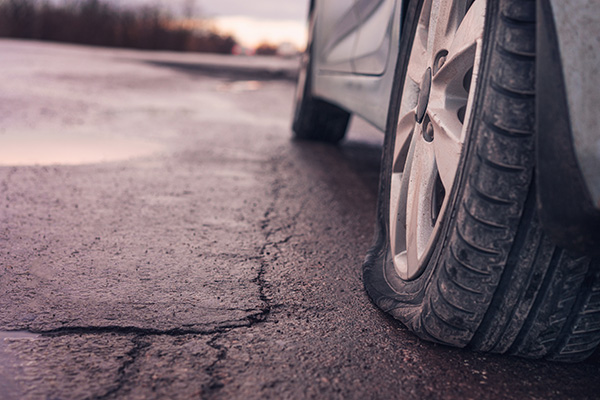
Underinflated tires can cause more trouble than many people realize. They flex more, generate extra heat, wear unevenly, and can make the vehicle feel less responsive on the road. They can also reduce fuel economy and shorten tire life.
A lot of drivers think a slightly softer tire is not a big deal, but over time, it absolutely can be. We have seen plenty of tires wear out early, not because of a puncture or defect, but because they spent too much time running at the wrong pressure.
What Heat Actually Does To Tires
Hot weather does affect tires, but not in a way that usually calls for casual deflation. What matters more is whether the tire was properly inflated to begin with. A properly inflated tire can handle normal seasonal pressure changes much better than one that is already too low or too high.
When temperatures rise, tires also face extra stress from hot pavement, long highway drives, heavy loads, and underinflation. That last one is the big problem. Underinflation creates more flex and more internal heat, which is much more concerning than a normal pressure increase from warmer air.
This is one reason summer blowouts are often linked to neglected tire pressure. Drivers assume the heat alone caused the issue, but many times the real problem was a tire that was already worn, damaged, or underinflated before the trip even started.
When You Should Check Tire Pressure
The best time to check tire pressure is in the morning or anytime the vehicle has been parked long enough for the tires to cool down. That gives you the most accurate reading compared to the manufacturer’s recommended cold pressure.
A few smart habits can make this easier:
- Check pressure at least once a month, not just when a warning light comes on
- Check it before long road trips, especially in summer
- Use the cold pressure recommendation on the door sticker
- Recheck pressure after major seasonal temperature shifts
This is one of the simplest maintenance steps a driver can take, and it goes a long way toward protecting the tires.
Should You Ever Let Air Out?
There are times when a tire truly is overinflated and needs adjustment, but that decision should be based on the cold pressure reading, not a number you saw after a long drive on a hot day.
If you inflated the tires during a cold snap and then temperatures rose dramatically, the cold reading may later need a minor correction. But again, the key is checking when the tires are cold. That is the only way to know whether the pressure is actually above the recommended setting.
So the issue is not “hot weather means deflating the tires.” The issue is “set the tires correctly based on cold pressure and leave normal heat-related changes alone.” That distinction matters.
Common Tire Pressure Mistakes We See
In the shop, we tend to see the same few mistakes repeat when the weather warms up:
- Drivers use the sidewall max pressure instead of the vehicle recommendation
- Drivers bleed air from hot tires and end up underinflated later
- Drivers ignore tire pressure until the warning light appears
- Drivers assume all four tires should always read exactly the same under every condition
Tires can vary slightly depending on load, shade, sun exposure, and how recently they were driven. That is normal. What matters is whether they are properly set when cold.
Why Proper Inflation Saves Money Too
Tire pressure is not just about safety and handling. It is also about cost. Tires are expensive, and getting the longest life out of them matters. Proper inflation helps the tread wear more evenly, supports better fuel economy, and reduces unnecessary stress on the tire structure.
When tires are underinflated, the outer edges often wear faster. When they are overinflated, the center can wear more quickly. Either way, incorrect pressure can shorten a tire's life and leave you replacing them sooner than expected.
We always tell customers that tire pressure is one of the easiest ways to protect a much bigger investment. It takes only a few minutes to check, but it can make a big difference over the life of the tires.
Tire Service and Pressure Checks at B&C Auto Center
So, should you deflate your tires when temperatures rise? Usually, no. A higher pressure reading in warm weather or after driving is often a normal result of heat, not a sign that your tires need air removed. The right way to manage tire pressure is to check it when the tires are cold and set it to the vehicle manufacturer’s recommended level.
If you are not sure whether your tire pressure is where it should be, let our auto repair shop step in and help. We can check your tire pressure, inspect tread wear and condition, and make sure your vehicle is ready for warmer-weather driving. Call the team at B&C Auto Center in San Jose, CA today or stop by for a tire inspection.