Posted on 3/27/2026
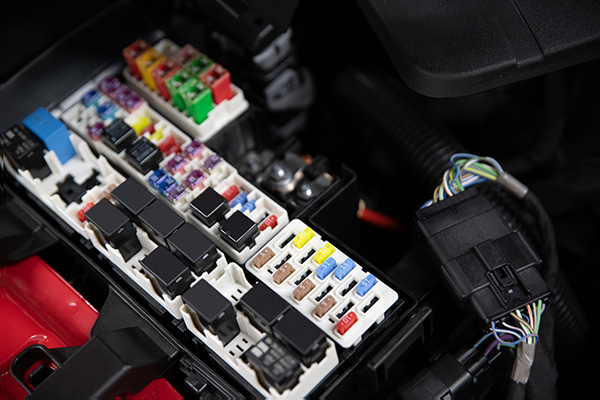
Headlight flicker at idle can make you feel like your car is about to die, even if it drives fine. You’re sitting at a stoplight, the lights pulse slightly, and then when you rev the engine or start driving, it seems to improve. That pattern is common, and it usually points to charging system behavior, electrical connections, or an idle condition that is slightly off. The key is figuring out whether it’s a harmless fluctuation or a sign that the charging system is struggling. What Flicker At Idle Usually Means At idle, the alternator spins slower and produces less output than it does at higher RPM. A healthy system still maintains stable voltage, but the margin is smaller. If the battery is weaker, a connection is resistive, or the alternator is starting to fade, you may see the lights pulse when the electrical load changes. Flicker can also be more obvious with LED headlights, since LEDs respond quickly to voltage changes. That doesn’t mean LEDs ... read more
Posted on 2/27/2026
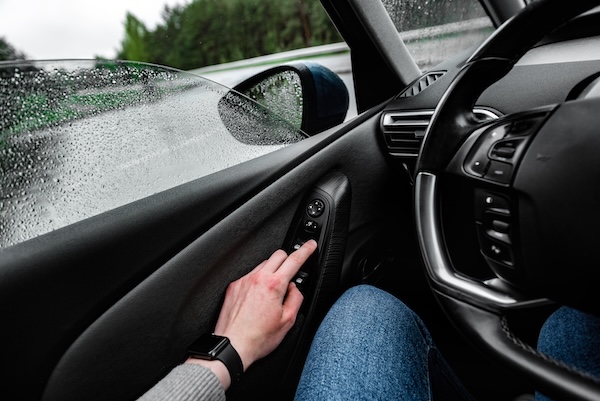
Power windows are one of those features you don’t think much about—until they stop working. Whether it’s a window that won’t roll down on a hot day or one that won’t go back up when rain is on the way, power window problems are more than just an inconvenience. They can affect your comfort, safety, and even your vehicle’s security. Knowing the warning signs early can help you avoid getting stuck with a window in the wrong position and prevent further damage to the system. How Power Windows Work (and Why They Fail) Power windows rely on a combination of electrical and mechanical components working together. When you press the switch, an electrical signal is sent to a motor, which moves a regulator that raises or lowers the glass. Over time, wear and tear, moisture, and repeated use can cause parts of this system to fail. Because power window systems involve wiring, motors, tracks, and switches, a small issue can quickly turn into a bigger repair if ... read more
Posted on 1/30/2026
%20copy.jpg)
A failing wheel bearing has a sneaky way of becoming part of the background. At first it is just a faint hum you notice with the radio off, then it shows up on the same stretch of road, then you start turning the volume up without thinking about why. The problem is, once the noise gets obvious, the bearing is usually well past the early stage. If you learn the subtle tells, you can catch it before it becomes a loud, stressful drive that makes you second-guess every mile. Why Wheel Bearing Noise Starts Subtly Wheel bearings let your wheels spin smoothly while supporting the weight of the vehicle. When they are healthy, they are basically silent. When they start to wear, the first changes are often internal, tiny pits in the bearing surfaces or lubrication that is breaking down, and that creates a low, steady sound that is easy to blame on the road. What makes this tricky is that the sound often comes and goes depending on speed and load. You might only hear it at ... read more