Posted on 7/31/2026
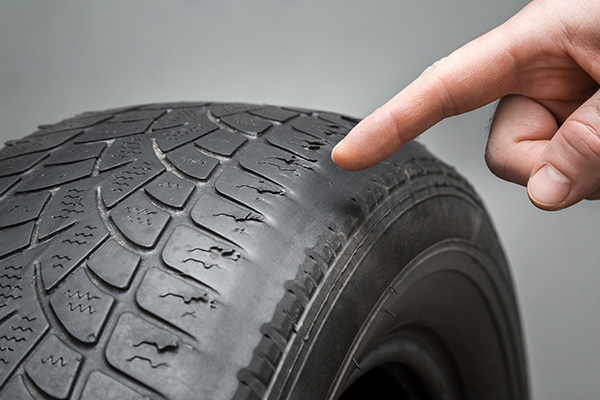
One-sided tire wear can stay hidden until the tread is nearly gone. The outer shoulder is easy to spot while walking past the car, but severe inner-edge wear may remain out of view beneath the vehicle. A tire can look usable from the side and still have a nearly bald strip along the inside. Replacing the tire solves the immediate safety concern, but it does not explain why the wear happened. Alignment angles, loose suspension parts, incorrect pressure, impact damage, and driving patterns can all change how the tread meets the road. Unless the underlying cause is corrected, the replacement tire may develop the same pattern. Incorrect Toe Can Scrub Away One Edge Toe describes whether the fronts of the tires point slightly toward or away from each other. Even a small amount of incorrect toe can make the tread drag sideways as the vehicle moves. Instead of rolling directly ahead, the tire is continuously being scrubbed across the pavement. Toe wear often creates a feat ... read more
Posted on 6/26/2026

Buying a used car can feel exciting until the questions start piling up. Is the mileage honest? Was the maintenance done on time? Are the tires hiding an alignment problem? Is that clean engine bay actually a good sign, or was it washed to hide leaks? A used car can look great in photos and still need expensive repairs soon after purchase. That does not mean every used car is a risk. It means you need to slow down, check the right areas, and get a clear picture before handing over the money. Check The Used Car Service History Service records can tell you how the vehicle was cared for. Oil changes, brake work, tire replacement, transmission service, coolant service, and major repairs all help show whether the previous owner kept up with regular maintenance. A car with records is usually easier to judge than one with a blank history. Missing records do not always mean the car is bad, but they do create more unknowns. If there is no proof of maintenance, you may need ... read more
Posted on 5/29/2026
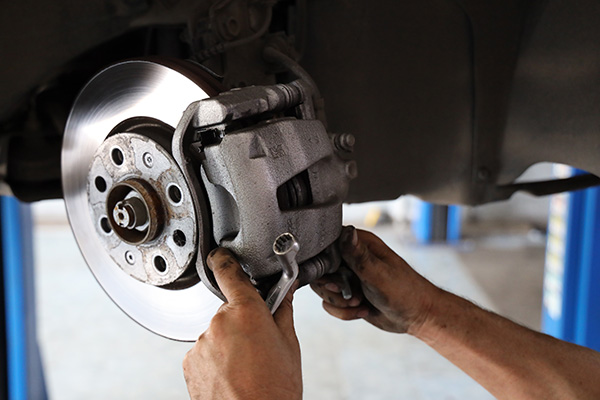
Brake overheating has a very specific feel. The pedal may get longer, the car may need more distance to slow down, or you may smell something hot after a drive through traffic or down a hill. Sometimes the steering wheel starts shaking the next day, and that is when drivers start thinking about warped rotors. Heat changes brake behavior fast. Your brakes are built to handle heat, but they still have limits. When the system gets hotter than it can manage, pads, rotors, fluid, and calipers can all start acting differently. Why Brakes Get Too Hot Brakes turn movement into heat. Every stop creates friction between the brake pads and rotors. In normal driving, that heat has time to escape. Problems start when heat builds faster than it can leave. Long downhill braking, heavy traffic, towing, aggressive stopping, stuck calipers, low-quality pads, or worn hardware can all push the system too far. Riding the brake pedal is another big one. Even light pressure over a long ... read more
Posted on 4/30/2026
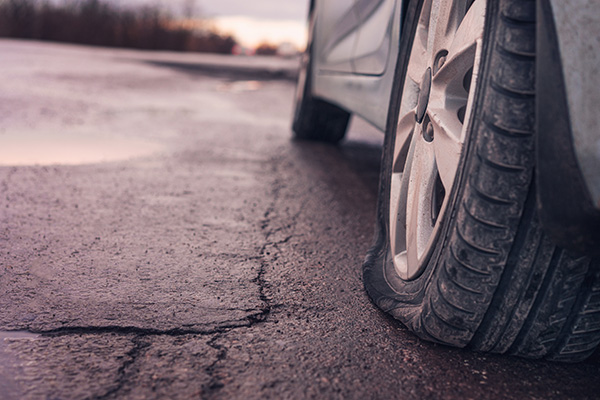
It is a question we hear every year once the weather starts warming up. A driver notices the tire pressure numbers creeping higher than they were in winter and starts wondering if they should let some air out. On the surface, it seems logical. Hotter temperatures raise tire pressure, so maybe deflating the tires a little makes sense, right? Most of the time, the answer is no. You generally should not deflate your tires just because the outside temperature rises. Tire pressure changes with temperature, and those changes can show up on the dashboard or at the air pump. But the key is understanding what kind of pressure change is normal, what pressure your tires are actually supposed to be at, and when action is needed. From our perspective in the shop, this is one of those areas where a little misinformation can lead to premature tire wear, worse handling, and lower fuel economy without the driver even realizing it. The good news is that tire pressure is not hard to manage once you kno ... read more
Posted on 3/27/2026
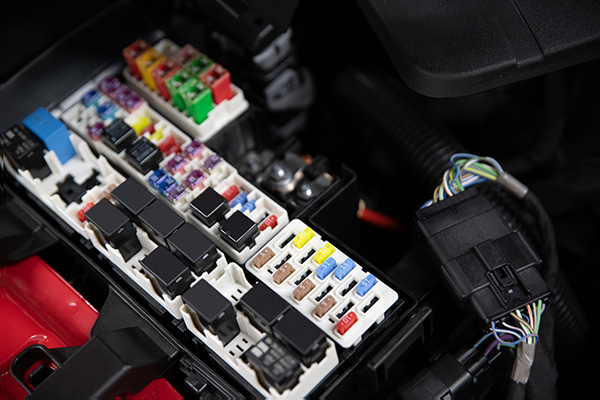
Headlight flicker at idle can make you feel like your car is about to die, even if it drives fine. You’re sitting at a stoplight, the lights pulse slightly, and then when you rev the engine or start driving, it seems to improve. That pattern is common, and it usually points to charging system behavior, electrical connections, or an idle condition that is slightly off. The key is figuring out whether it’s a harmless fluctuation or a sign that the charging system is struggling. What Flicker At Idle Usually Means At idle, the alternator spins slower and produces less output than it does at higher RPM. A healthy system still maintains stable voltage, but the margin is smaller. If the battery is weaker, a connection is resistive, or the alternator is starting to fade, you may see the lights pulse when the electrical load changes. Flicker can also be more obvious with LED headlights, since LEDs respond quickly to voltage changes. That doesn’t mean LEDs ... read more